
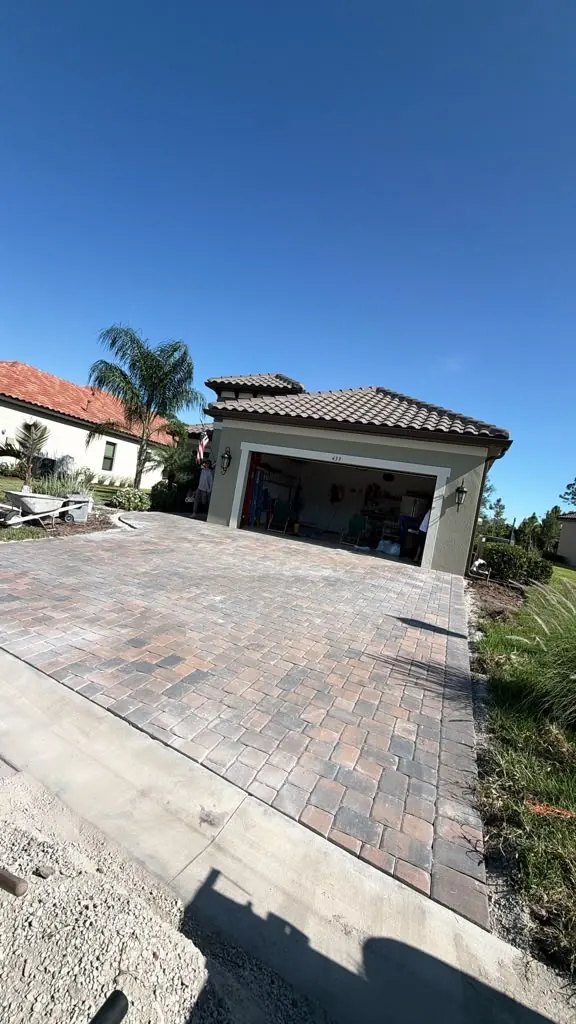
Driveways
Vehicle traffic and oil exposure are the wear drivers here. Sealing slows oil penetration and makes routine cleaning far more effective.
Cleaning, joint sand restoration, and sealer application for driveways, patios, pool decks, and commercial surfaces. Sealing is an appearance and cleanup decision, and you get a straight answer on whether your surface is ready for it.
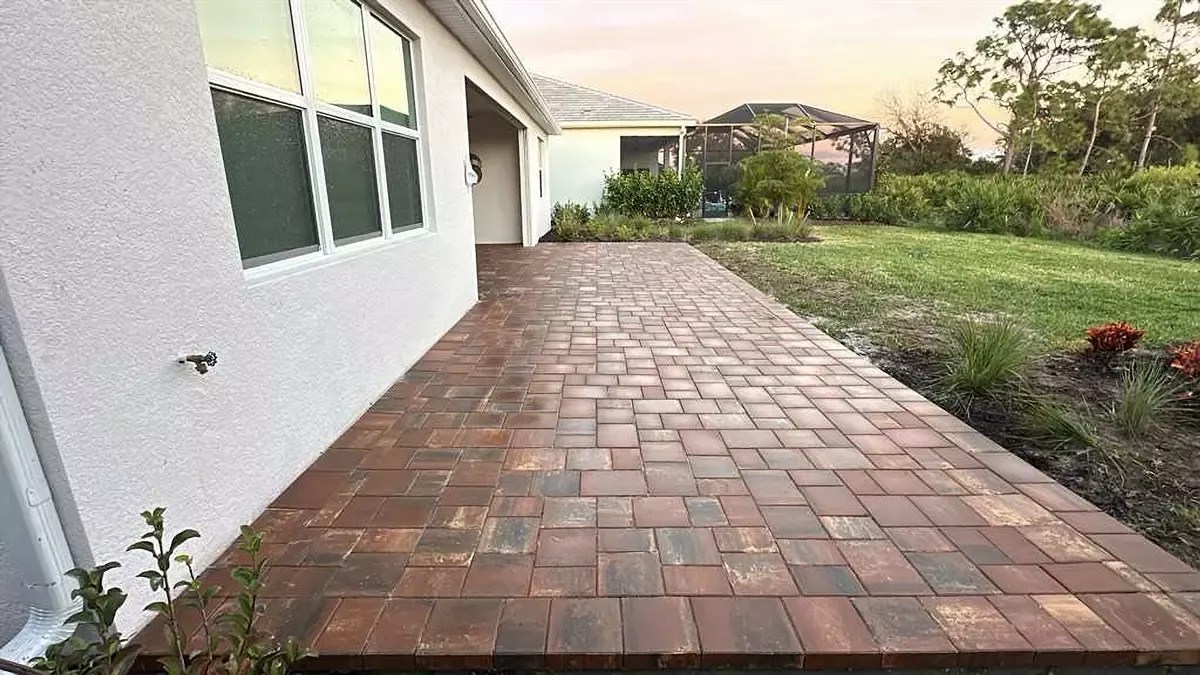
Unsealed pavers in this region face UV, moisture absorption, and organic growth in the joints. Color fades unevenly, stains set in more readily, and shaded areas hold the conditions mold and algae like.
Sealing creates a protective layer that resists moisture penetration, slows UV fading, and helps hold joint sand in place. It makes cleanup easier. It does not correct settling, poor drainage, or structural problems, and nobody here will seal over those.
Tell us about the surface and we will assess whether sealing is the right next step.
Vehicle traffic and oil exposure are the wear drivers here. Sealing slows oil penetration and makes routine cleaning far more effective.
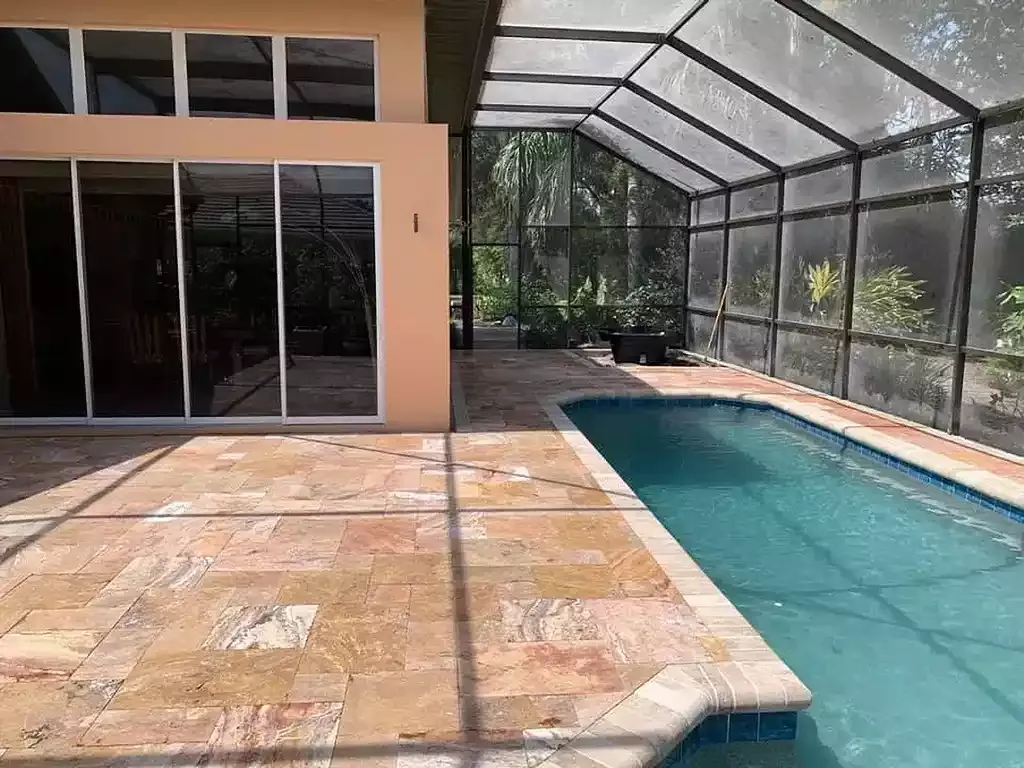
Constant moisture and pool chemical contact take a toll. Sealing reduces surface porosity, and surface textures designed for wet environments stay part of the conversation.
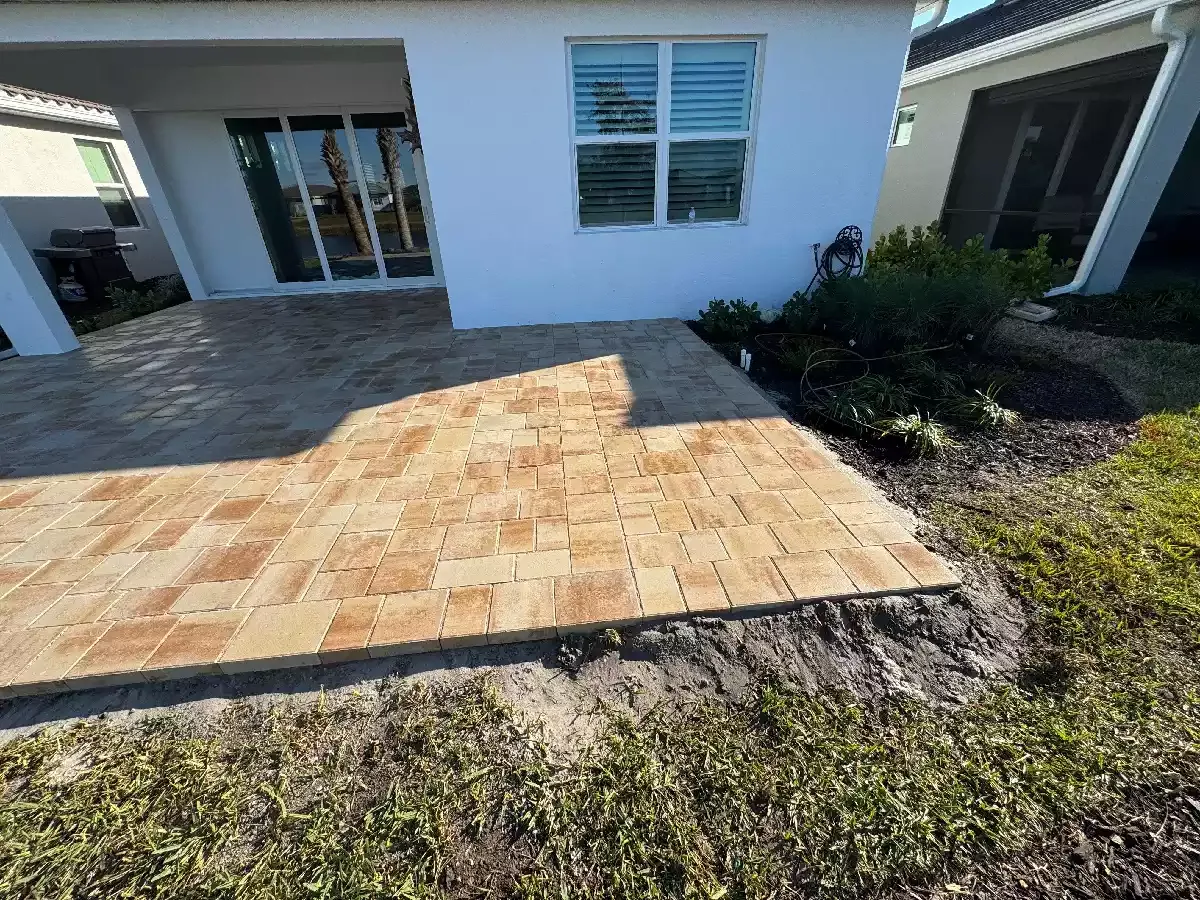
Foot traffic and falling organic debris are the issue. Sealing makes spills easier to clean up and keeps staining from setting in.
Business entrances, outdoor dining, and community common spaces, where appearance is part of the property. These usually need evening or off-season scheduling.
If your surface has a structural issue, sealing over it just locks in the problem.
Fix the movement first. See paver repair and releveling, then seal once the field is stable.
When preparation was inadequate across the whole field, new paver installation is the better spend.
The evaluation is free and the answer is honest. Request an evaluation and you find out which service your surface actually needs.
Request a sealing estimate and your surface gets assessed before anything is quoted.
We assess the current surface, look for settling or structural concerns, and determine whether repairs should come before sealing. Previous sealing history and existing wear patterns shape the approach.
We go through finish expectations, since sealer changes how the surface looks. Slip resistance gets discussed here, particularly for pool decks and other wet areas.
Scheduling is built around weather and how you use the space, because the surface is off limits during cleaning, preparation, and curing.
Cleaning removes dirt, organic growth, and old sealer residue. Method depends on the condition of the surface, and drainage performance is verified before anything else goes down.
Masonry sand is swept into the joints and settled to restore lateral stability before sealing. Joints do the structural work, so they get handled before the finish coat.
Sealer goes on to manufacturer specifications for coverage and cure time. Multiple coats may be needed depending on how porous the surface is.
Newly sealed surfaces need protection from foot traffic, vehicles, and moisture while curing. We tell you exactly when the surface can go back into normal use.
We inspect coverage consistency and appearance, then walk through what to expect for routine care and what signals the surface is ready for attention again.
Sealed surfaces hold color more consistently and resist staining better than unsealed ones. Protection wears down gradually as UV, traffic, and weather work on the coating, and high-traffic areas show it sooner than protected corners.
Sealing resists staining rather than eliminating it. Fresh spills clean up much more easily from a sealed surface, but they still need attention promptly.
Clean with mild methods. Harsh chemicals and abrasive tools damage sealer. Joint sand inspection as needed keeps the field locked together, and maintenance frequency varies by use, exposure, and environment.
Reduced water beading, easier staining, and flattening color are the signals that protection is thinning.
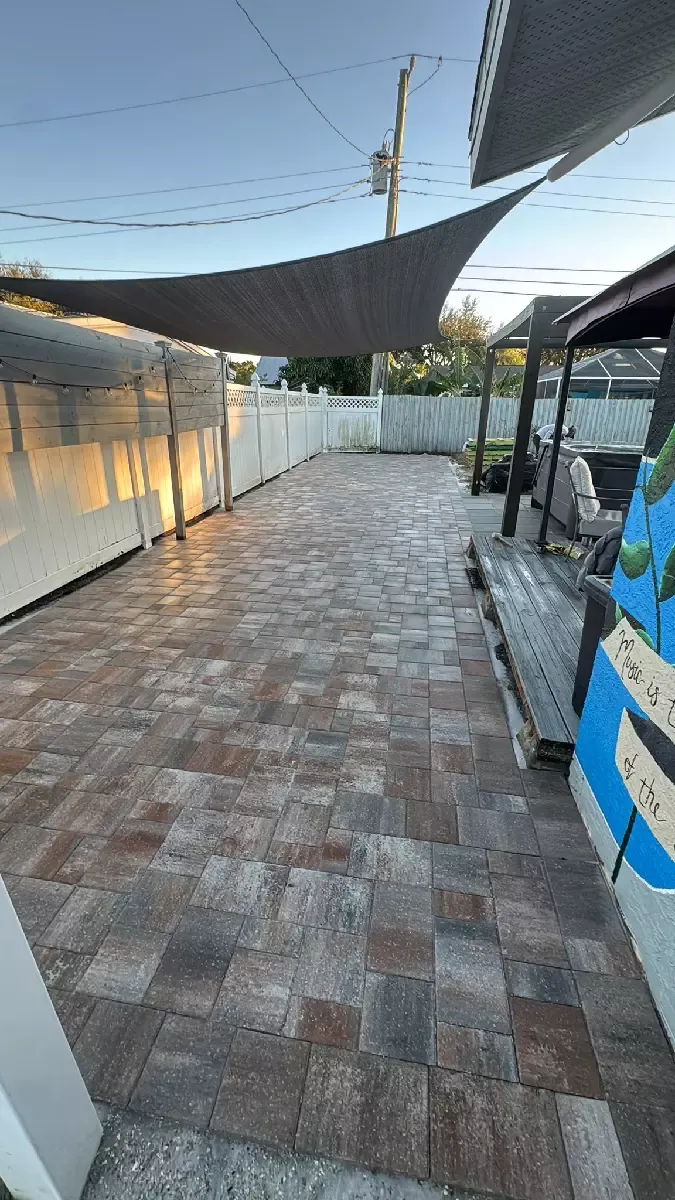
Most sealed installations in Venice go a few years between applications. Sun exposure, traffic level, and site conditions move that window, so a driveway in full sun comes due sooner than a shaded patio. Maintenance frequency varies by use, exposure, and environment.
Sealing enhances the color that is there and protects going forward. It does not restore severely faded or deeply stained pavers. Heavy stains or significant UV damage need restoration work before sealing makes sense.
Sealer type and application method both affect wet surface texture. We talk through this during the consultation, especially for pool decks. Surface textures designed for wet environments and slip-resistant surface options are available where that is a priority.
Yes. Individual units remain accessible and can be lifted and reset without affecting the surrounding surface. The repair zone may need localized resealing afterward so the appearance stays consistent.
Sealing reduces weed growth by stabilizing the joint sand and making germination less likely. It does not eliminate weeds entirely, though sealed surfaces see noticeably less of it than unsealed ones.
No. Sealing is an appearance and cleanup decision, not a structural one. Plenty of property owners wait to see how their surface weathers before deciding. We will tell you honestly if sealing is not what your surface needs. Our longer answer on whether pavers need to be sealed in Venice covers when it earns its keep and when to wait.
Yes. The area under service cannot be used during cleaning, preparation, and sealing. Driveways need alternative parking, and pool decks should stay clear until curing is complete. Households with pets or young children need temporary barriers during the curing period.
Cleaning and sealing run across both counties. Pick your town for the neighborhoods covered and the maintenance questions that come up there:
Your surface gets evaluated in person. You hear what sealing will and will not accomplish on your property, and the recommendation reflects what is actually there.